Our Story
Seven generations of estate-bottled work.
The 1859 Founding
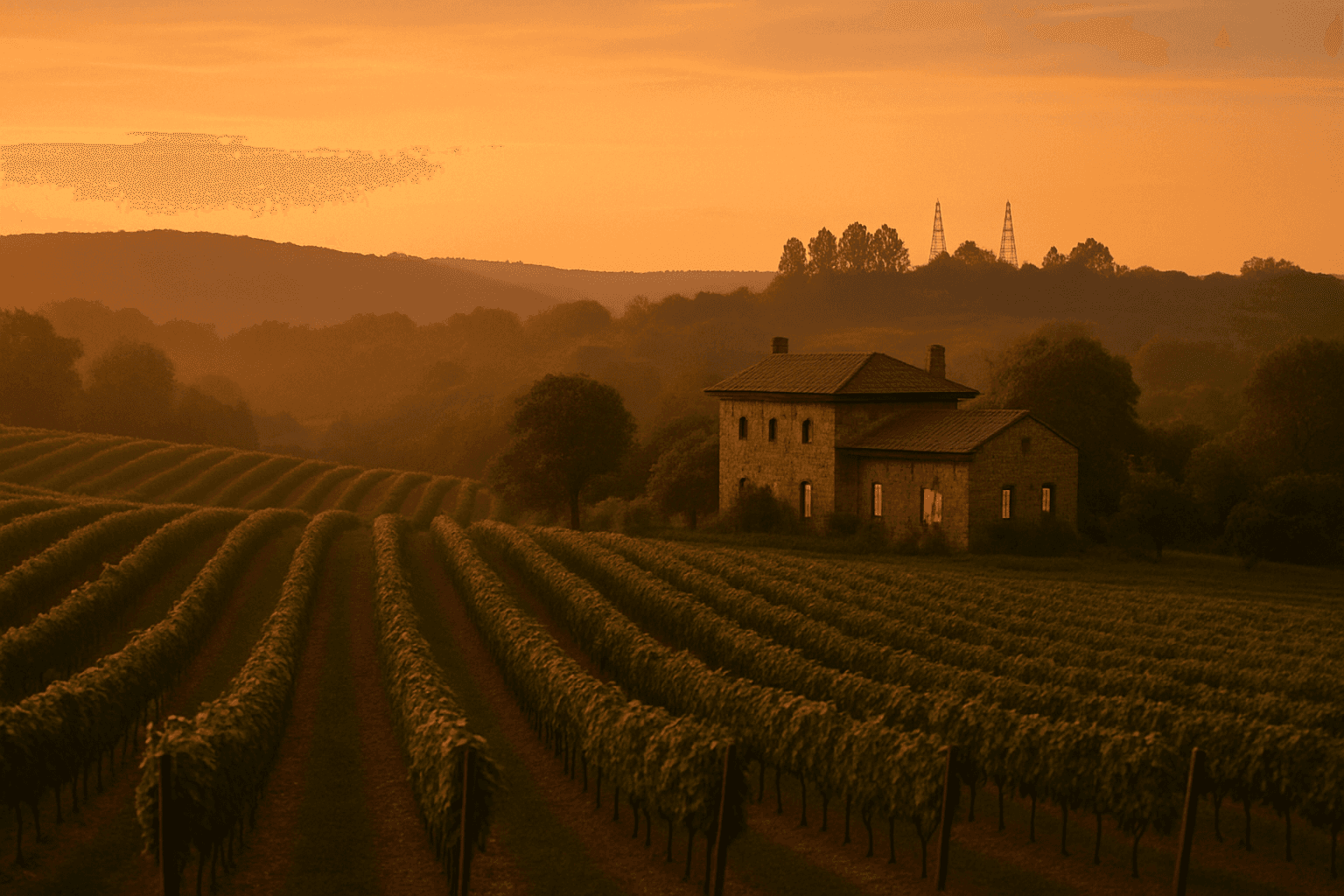
Édouard Carter arrived in the Allegheny foothills of western Pennsylvania in 1859, carrying with him a handful of cuttings, a slim volume of viticultural notes from his native Languedoc, and the conviction that the region's shale-rich soil would produce wine of uncommon character. He was, by all accounts, largely correct.
The estate's first vines went into the ground that spring. The first commercial bottling followed in 1863. Within a generation, the name Carter had become synonymous with a particular kind of Allegheny red — dense, mineral, and unhurried.
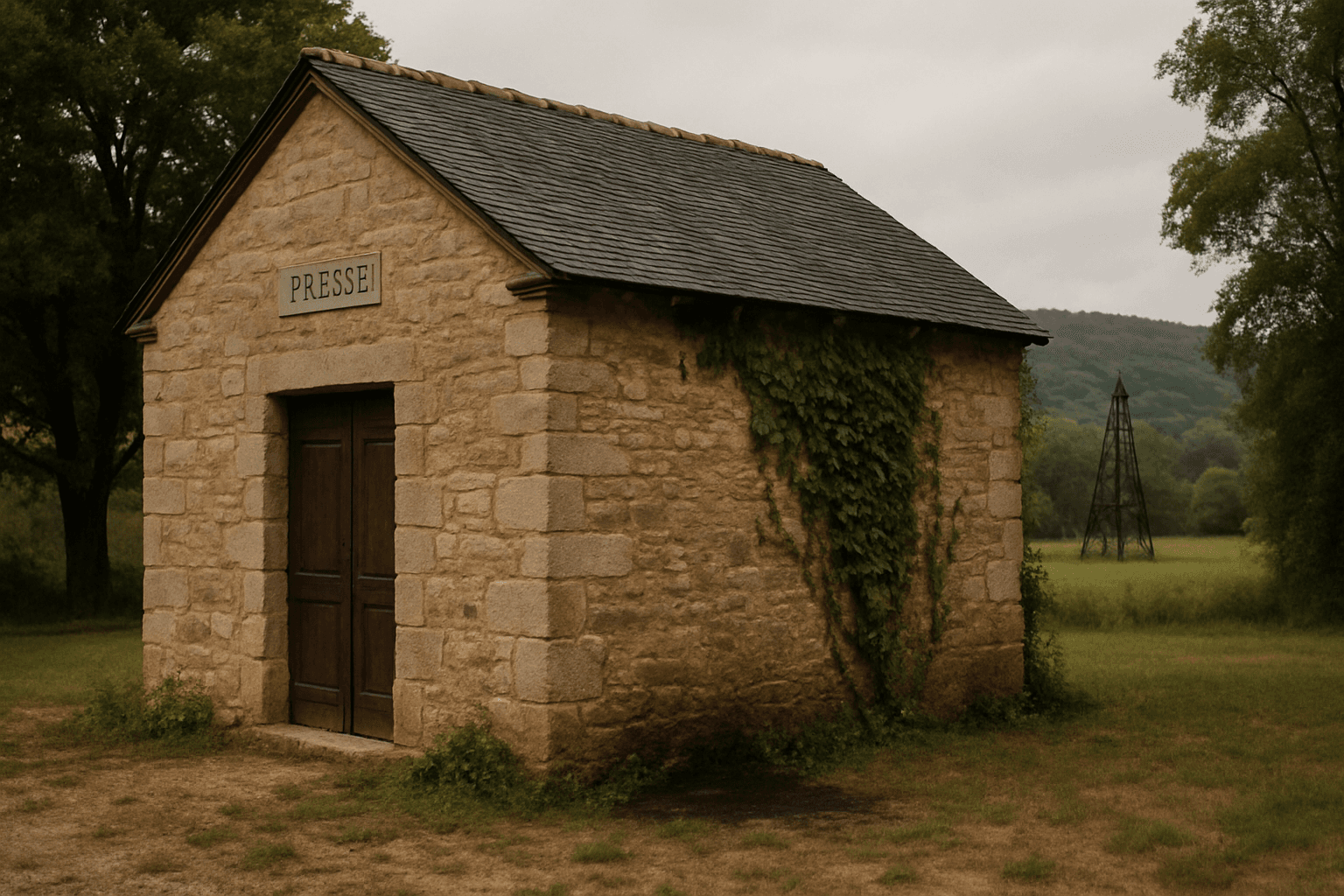
The original 1863 press building, still in use today.
The Philosophy of Terroir
Our approach has not changed in one hundred and sixty-six years. The soil beneath the vines is our collaborator; our work is to not interfere with what it wishes to say. The Allegheny shale is dense, layered, and old — and it imparts a hydrocarbon minerality to the wine that we have never attempted to correct.
We believe that a great bottle is a statement of place. Our place happens to be an uncommon one.
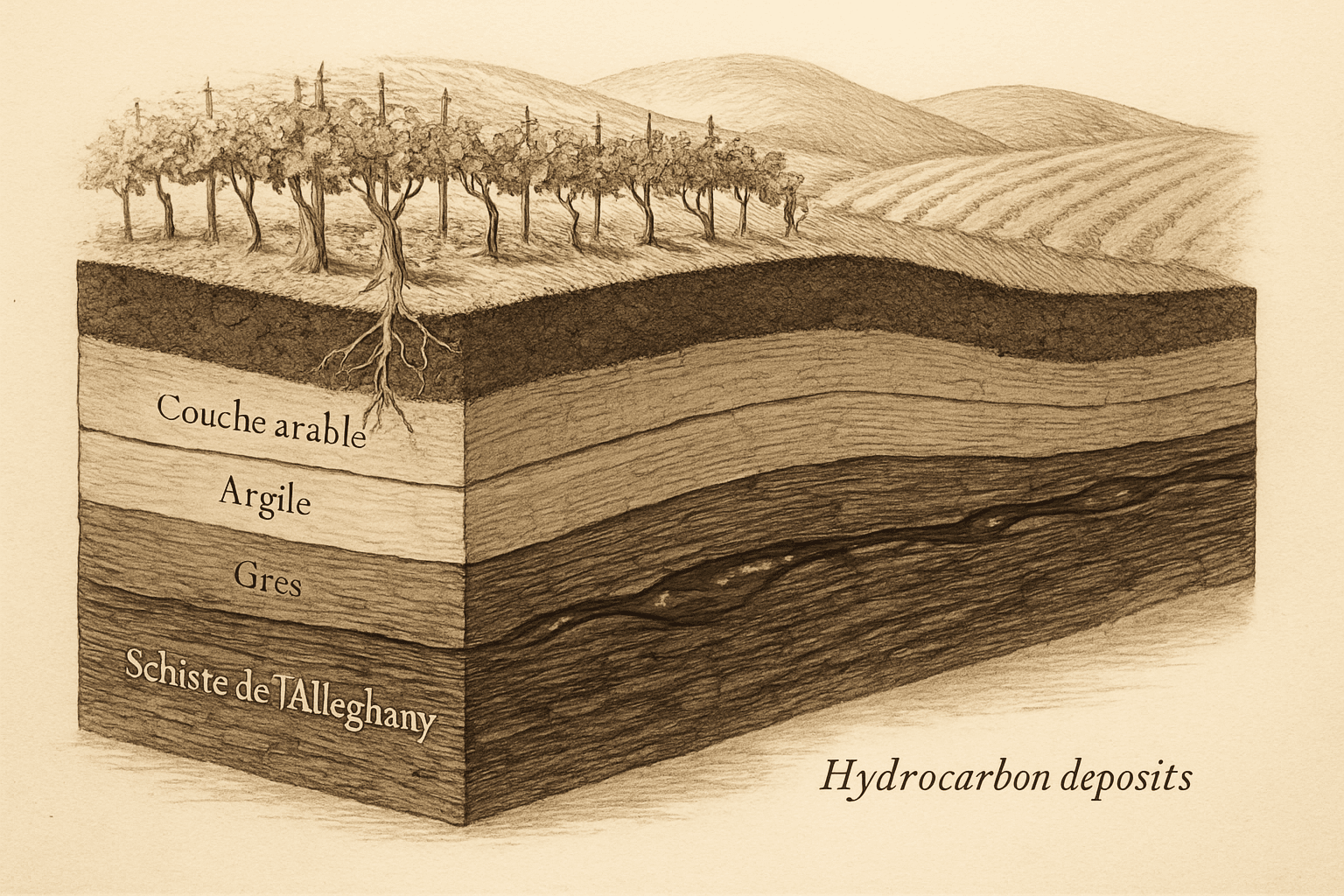
The layered shale formation beneath the estate.
Seven Generations
1859–1887
Édouard Carter
Founder. Planted the first vines on the Allegheny parcel.
1887–1912
Jean-Luc Carter
Expanded the cellar; introduced the first oak program.
1912–1941
Henri Carter
Planted the vines that would become the Vieilles Vignes parcel in 1952.
1941–1968
Philippe Carter
Modernized the press house; weathered two difficult decades.
1968–1989
Gaston Carter
Introduced the Reserve bottlings and the first DOT Sparkling program.
1989–2005
Raphaël Carter
Shepherded the estate through significant regulatory modernization.
2005–present
Étienne Carter
Returned from Burgundy to launch the modern era of the estate.
The Modern Era
Étienne Carter returned from a formative decade in Burgundy in 2005 and spent his first years at home studying his father's methods before making changes. The cellar was modernized. The press house was rebuilt. A new sommelier program was introduced under Archibald Whitford. Through all of this, the underlying work remained what it has always been: attention to the soil, patience with the barrel, and a refusal to hurry what wants to take its time.
We are a small estate. We intend to stay that way.
The Family Today
The Current Stewards
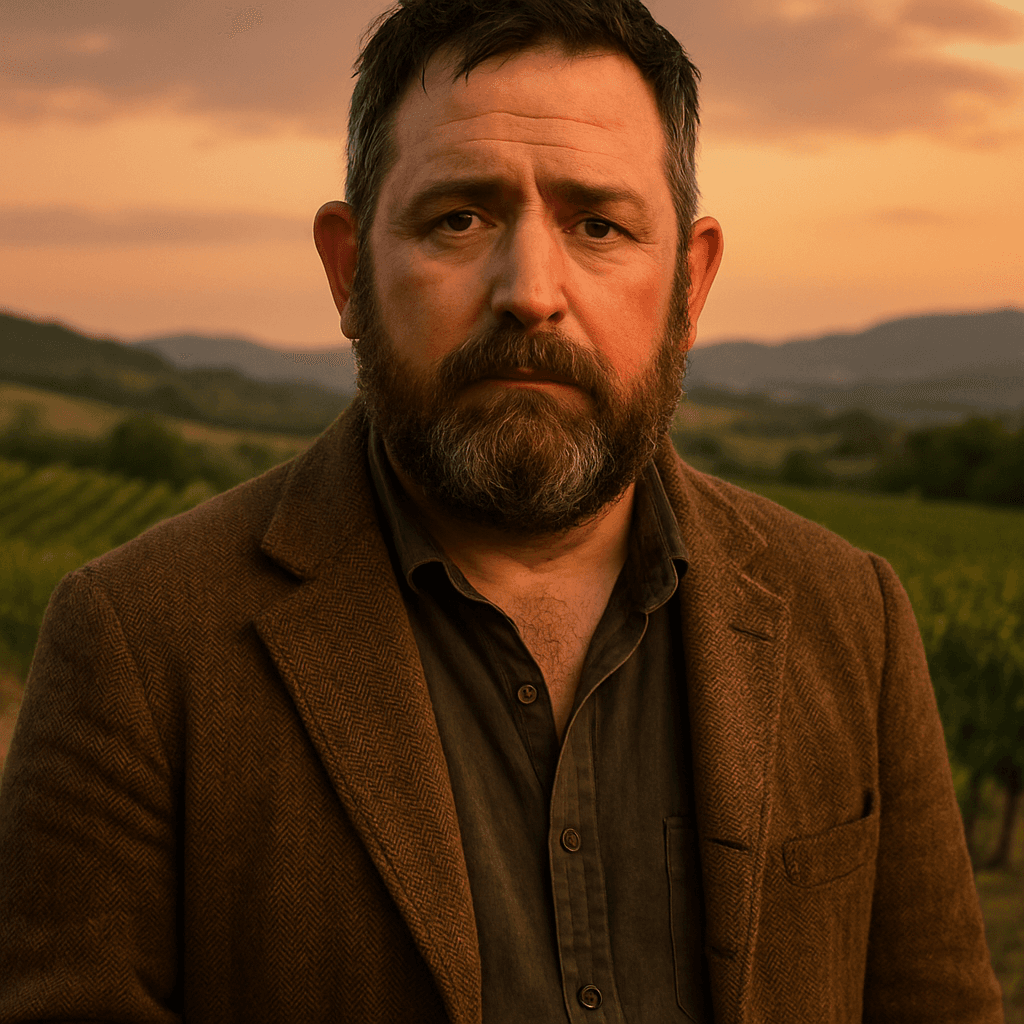
Seventh-Generation Proprietor & Head Winemaker
Étienne Carter
Étienne represents the seventh Carter generation to steward this estate. Raised among the oak barrels and the low Allegheny mist, he apprenticed under his father in the cellar from the age of twelve. After a formative decade in Burgundy, he returned in 2005 to modernize the cellar while preserving the family's methods. His hands, he will tell you, know the depth of a proper ferment without thermometer or gauge. He does not discuss viscosity in public.
“The terroir speaks, if you have the patience to listen through the ground.”
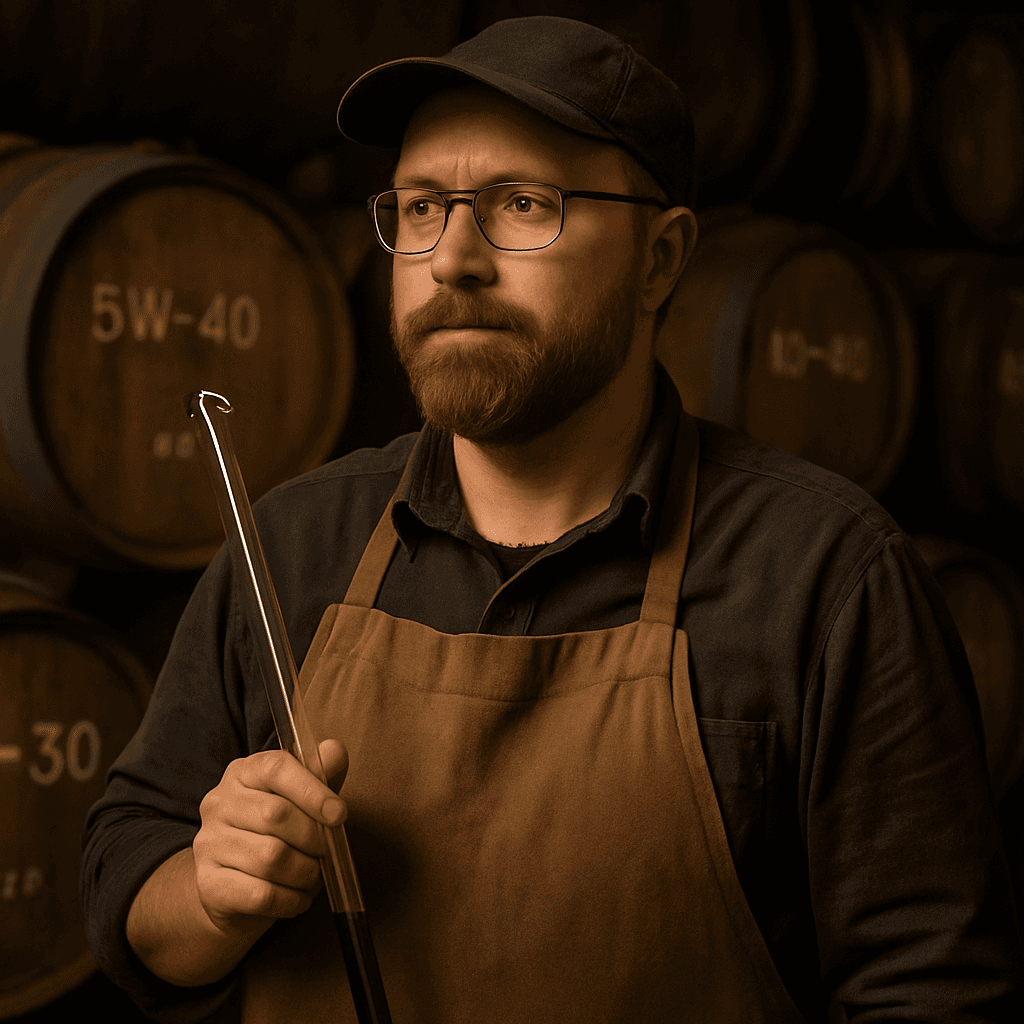
Cellar Master
Rémi Dumoulin
Rémi has served the estate for twenty-six years, rising from apprentice to Cellar Master under Étienne's grandfather and then his father. He is responsible for every barrel on the premises, every fermentation, every decision about racking and bottling. He keeps a notebook bound in oiled cloth and has not been seen without it since 2003. He remains unmarried and politely declines all inquiries on the matter.
“A barrel, given time, will tell you what it is.”

Chief Sommelier
Archibald Whitford
Archibald joined Domaine Carter & Fils in 2014, following a distinguished career on the sommelier staff of several Bordeaux estates. An Englishman by birth and a traditionalist by conviction, he maintains that no tasting should take less than forty minutes and that a glass once poured should never be rushed. His presence at the estate has earned quiet remark in the industry press.
“A wine rewards the drinker it deserves.”
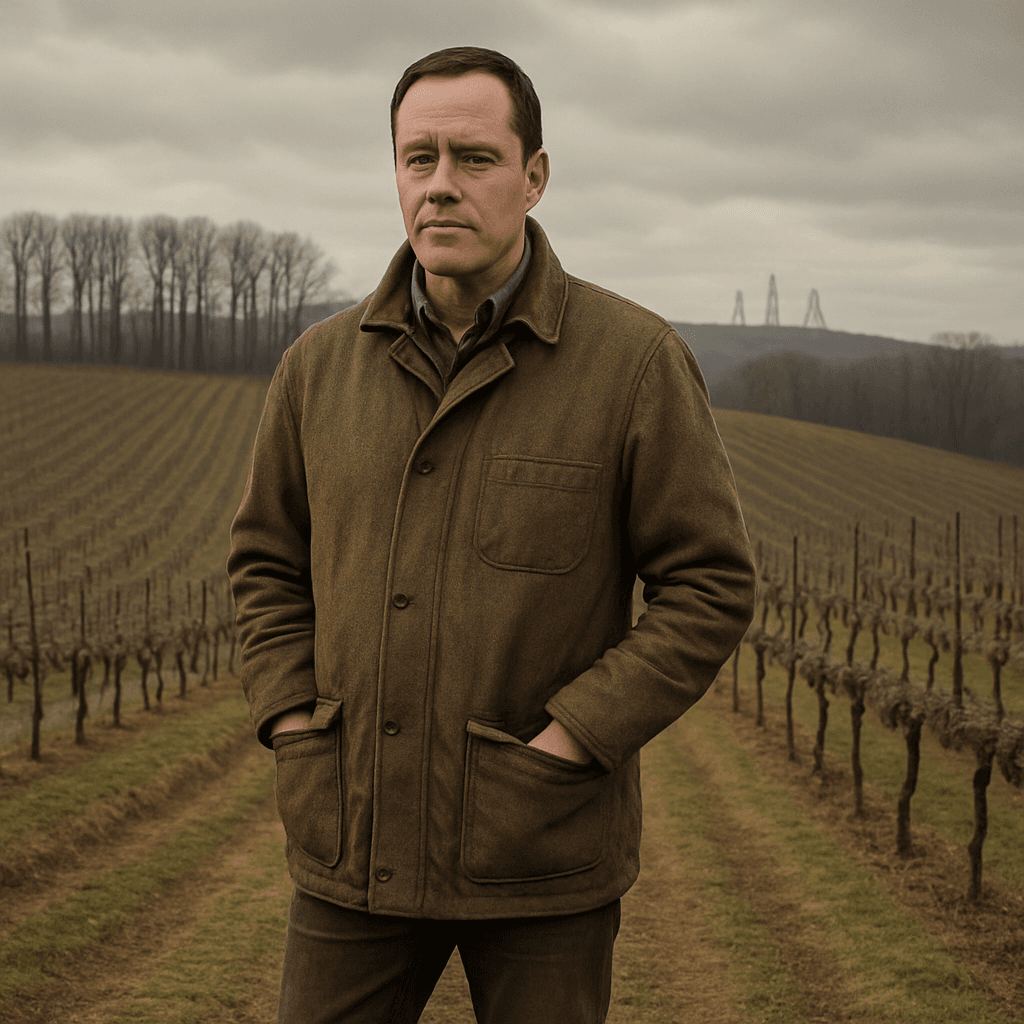
Director of Terroir & Vineyard Operations
Laurent Beaufort
Laurent oversees the estate's 1,200 acres of vines and the deep geological work that underlies them. A trained geologist as well as a viticulturist, he believes — correctly — that the Allegheny shale is the true voice of every bottle that leaves the cellar. He spends most of his working hours outdoors and insists, against all evidence, that he is not superstitious.
“The shale remembers. The vine merely repeats.”